Videos

Short films explaining the group's research, each based on one of our papers. Select a still to watch the film on YouTube.
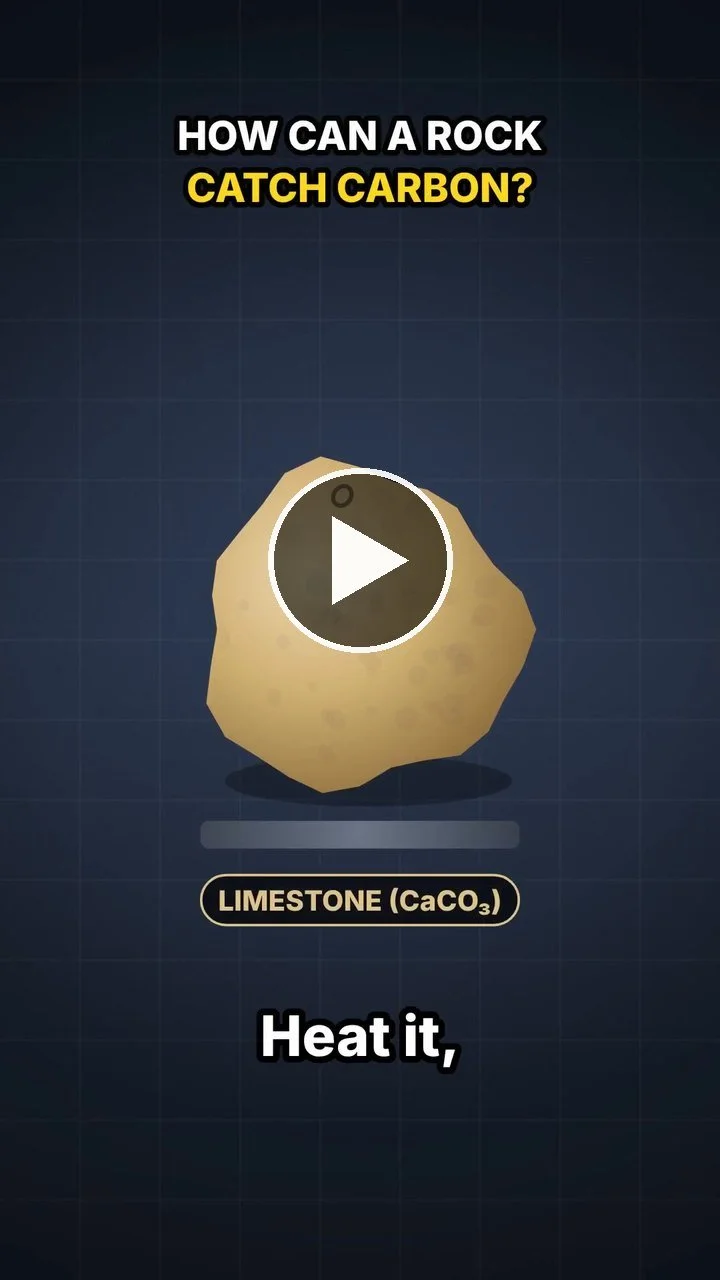
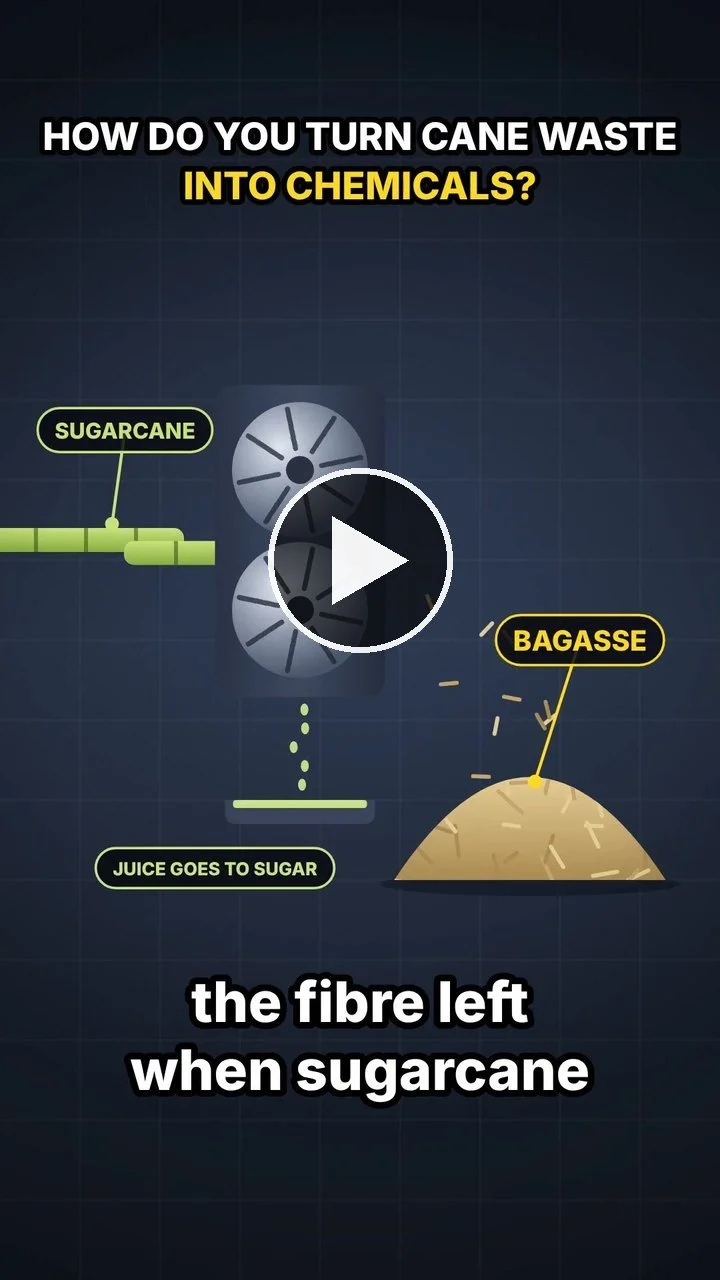
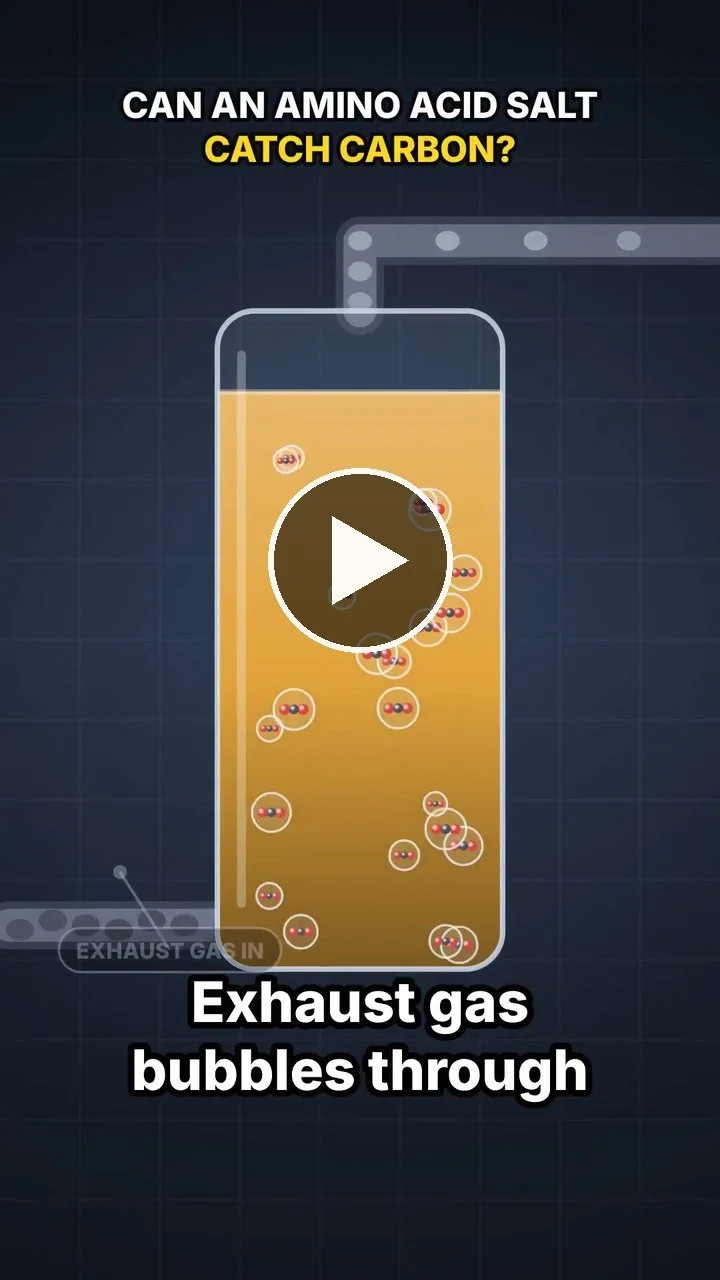
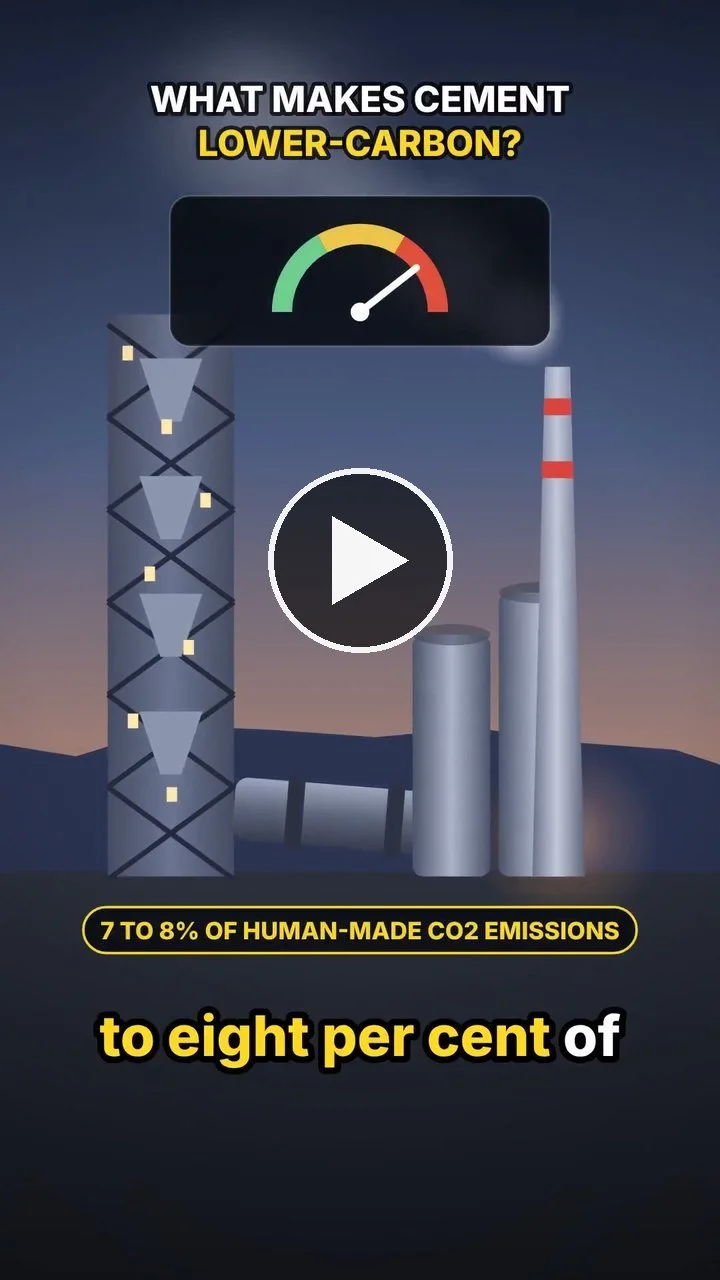
Still from the calcium looping video: how can a rock catch carbon? Still from the furfural video: how do you turn cane waste into chemicals? Still from the potassium glycinate video: can an amino acid salt catch carbon? Still from the clinker video: what makes cement lower-carbon?

Calcium Looping: The Rock That Catches Carbon. Watch on YouTube

Turning Sugarcane Waste into Furfural. Watch on YouTube

Potassium Glycinate for Carbon Capture. Watch on YouTube

Less Clinker, Lower-Carbon Cement. Watch on YouTube
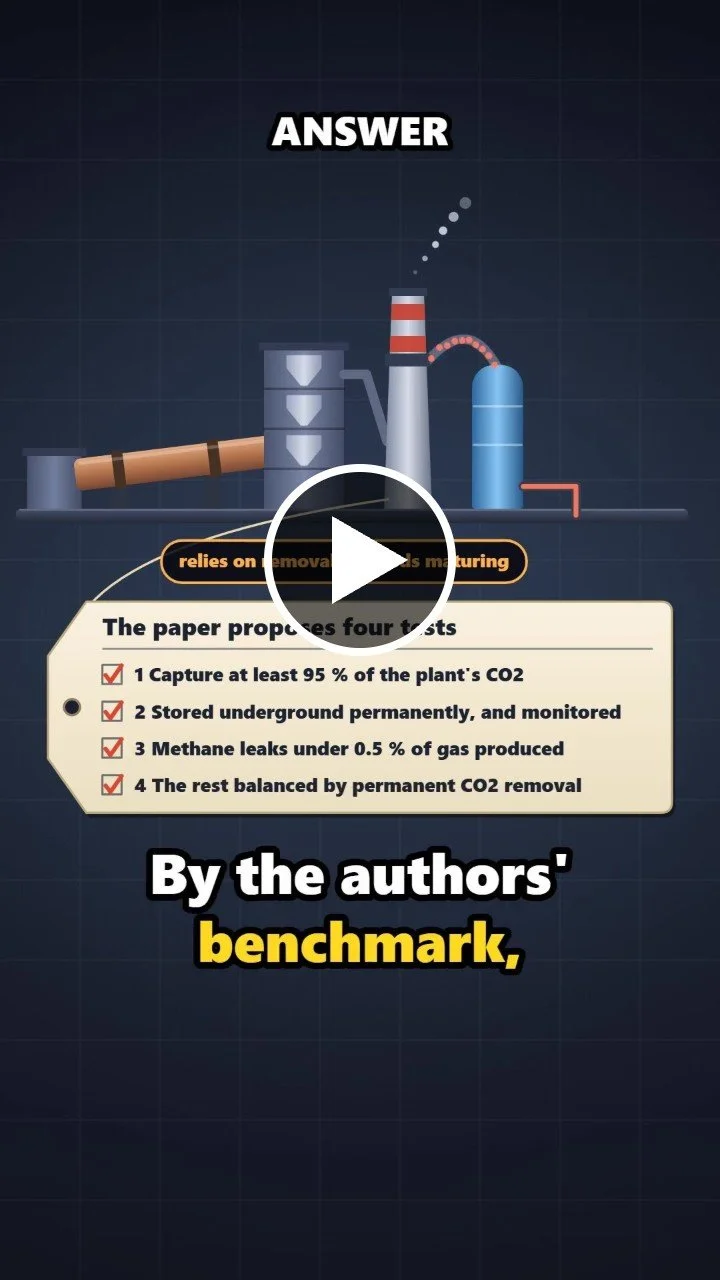
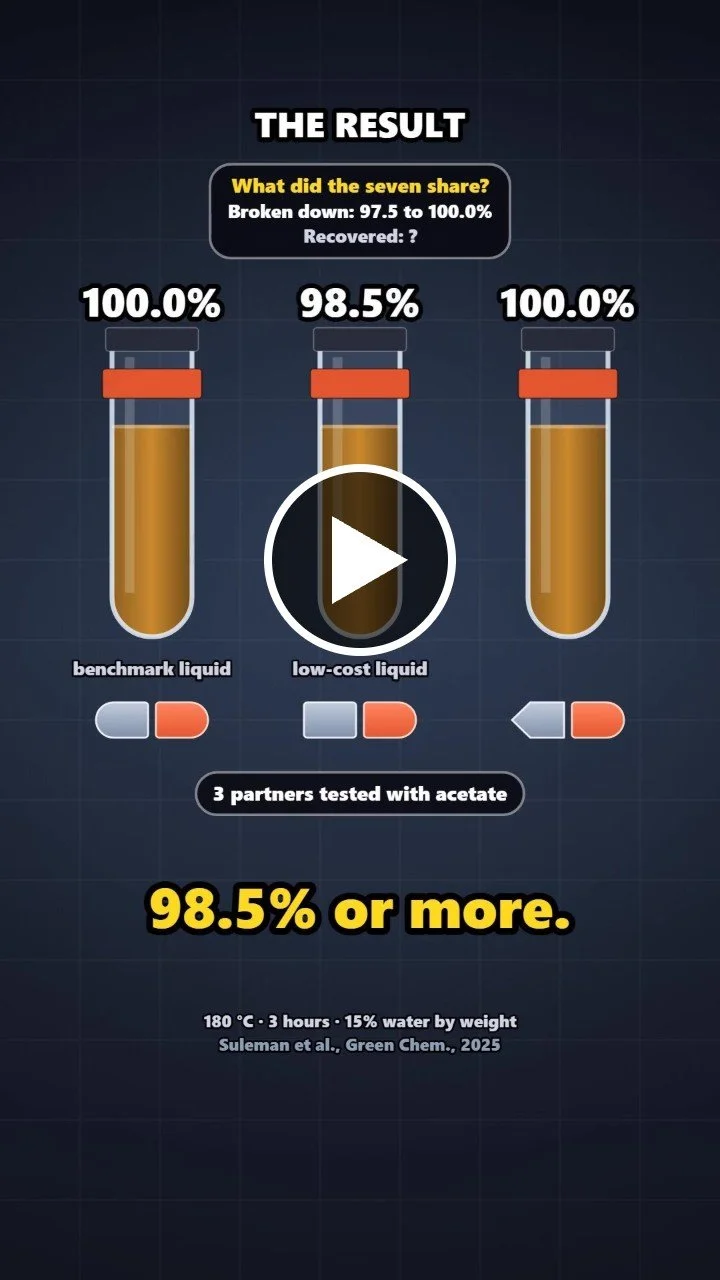
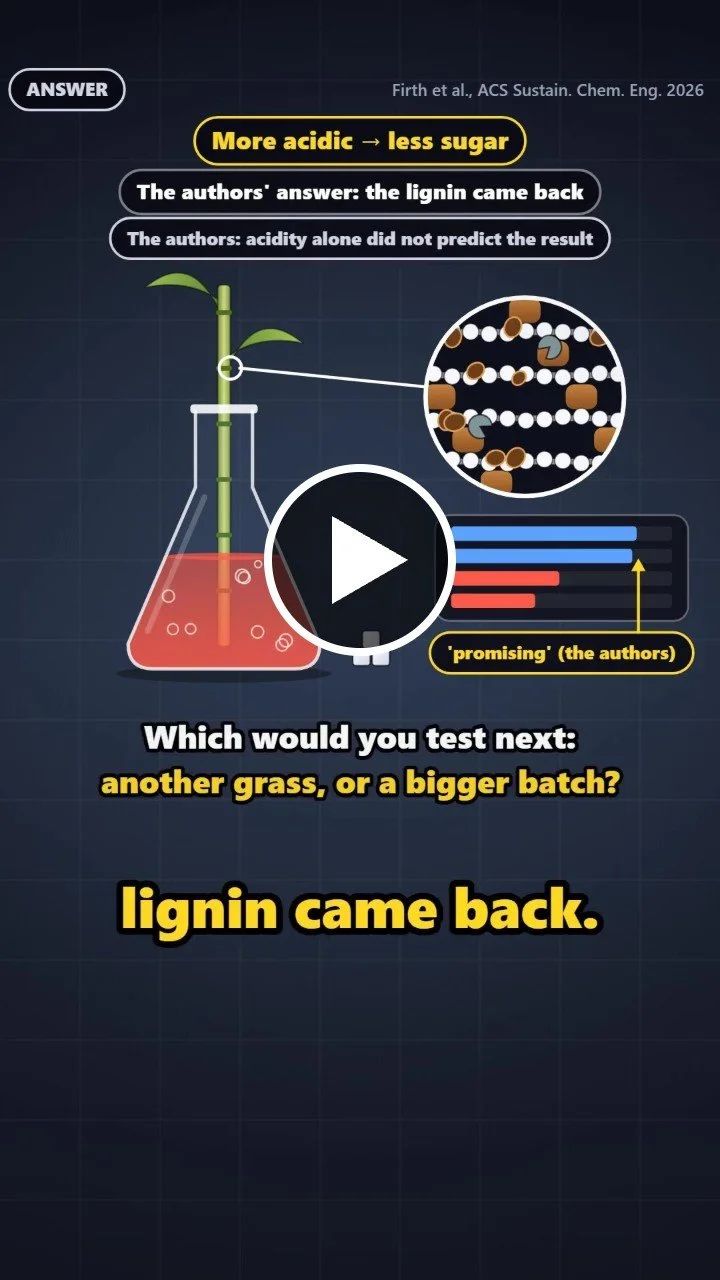
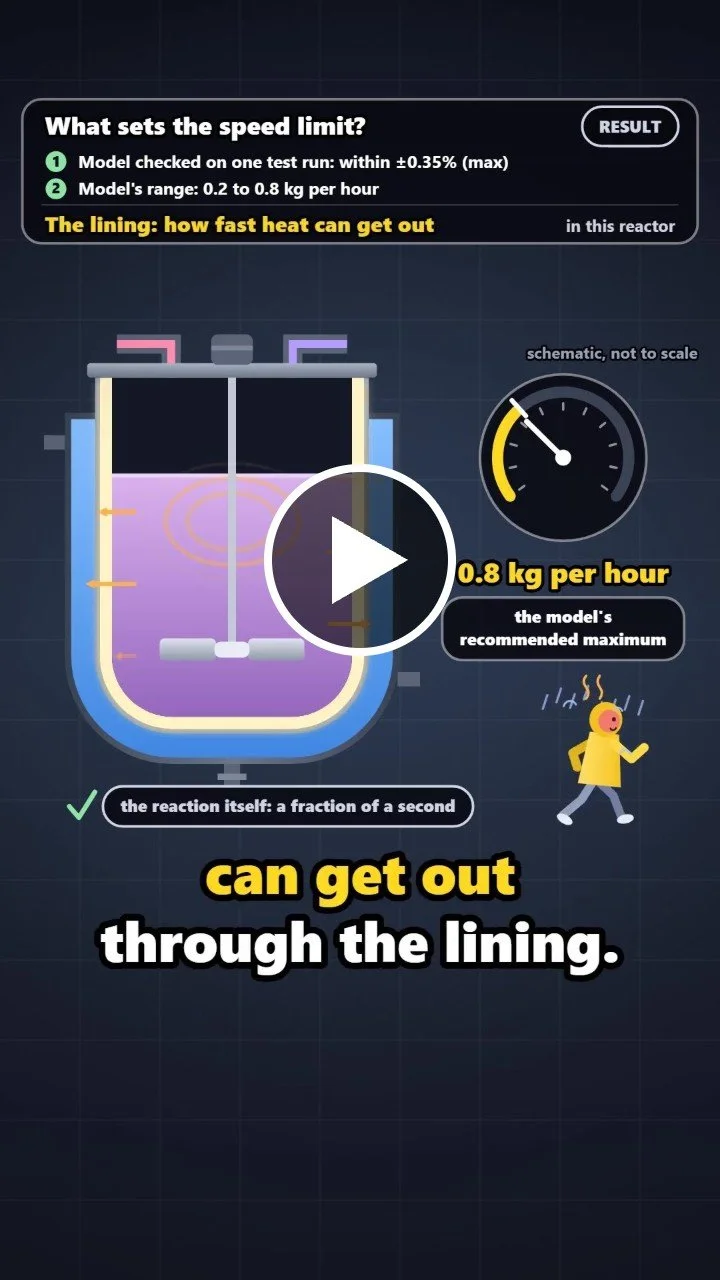
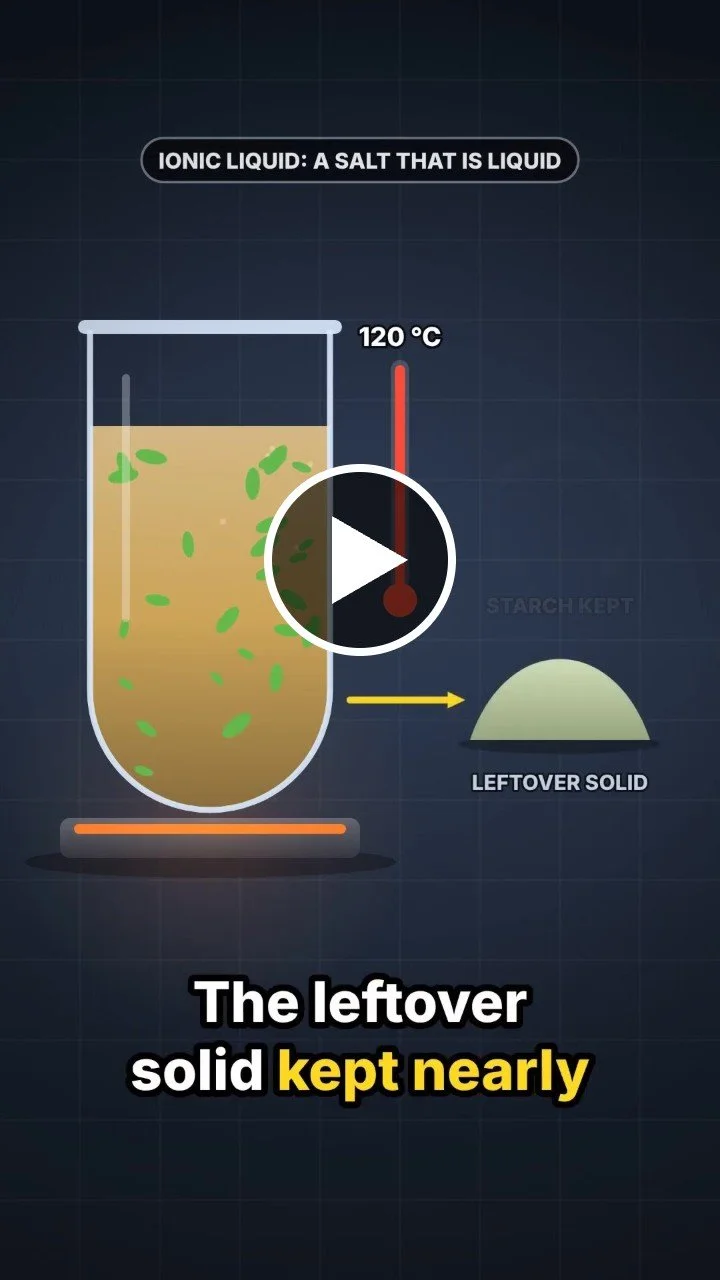
Still from the abated video: the four tests for abated fossil fuel use Still from the PET recycling video: how much plastic the ionic liquids broke down Still from the miscanthus video: does more acid mean more sugar Still from the ionic liquid reactor video: the heat limit on making ionic liquids at scale

What Does "Abated" Fossil Fuel Mean? Watch on YouTube

Recycling PET Plastic with Ionic Liquids. Watch on YouTube

Does More Acid Mean More Sugar from Miscanthus? Watch on YouTube

Making Ionic Liquids at Scale: The Heat Limit. Watch on YouTube
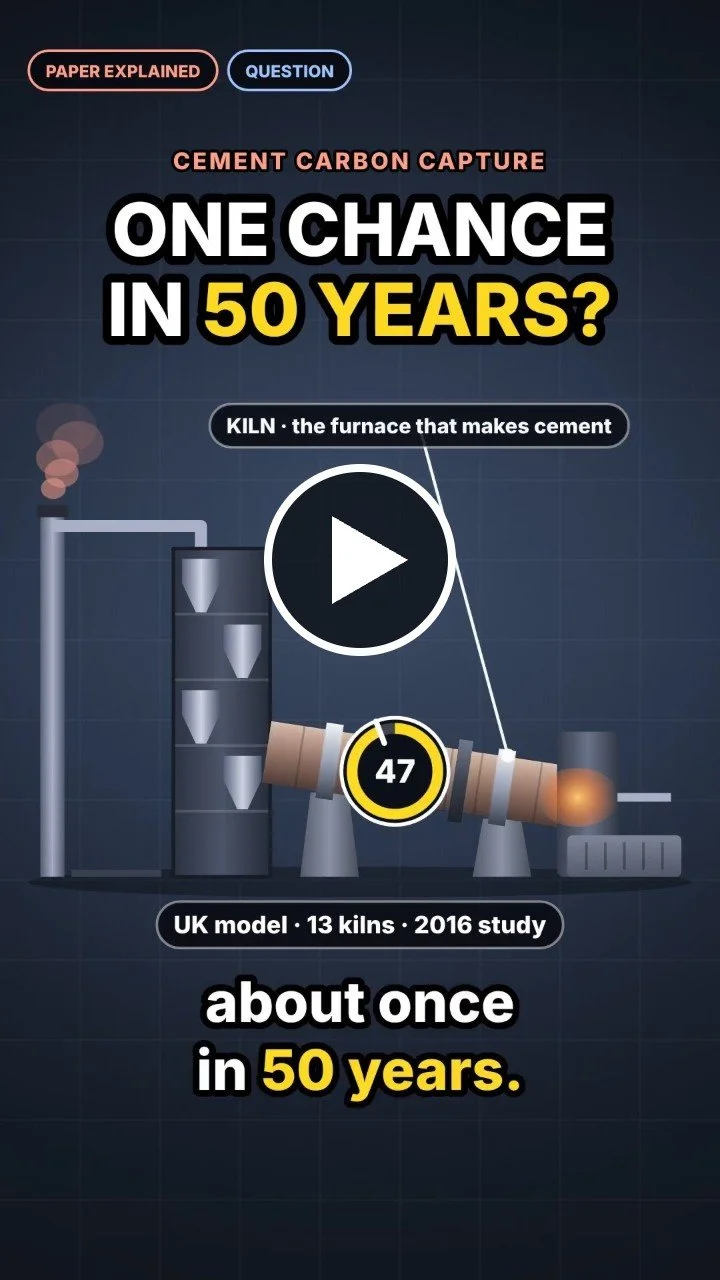
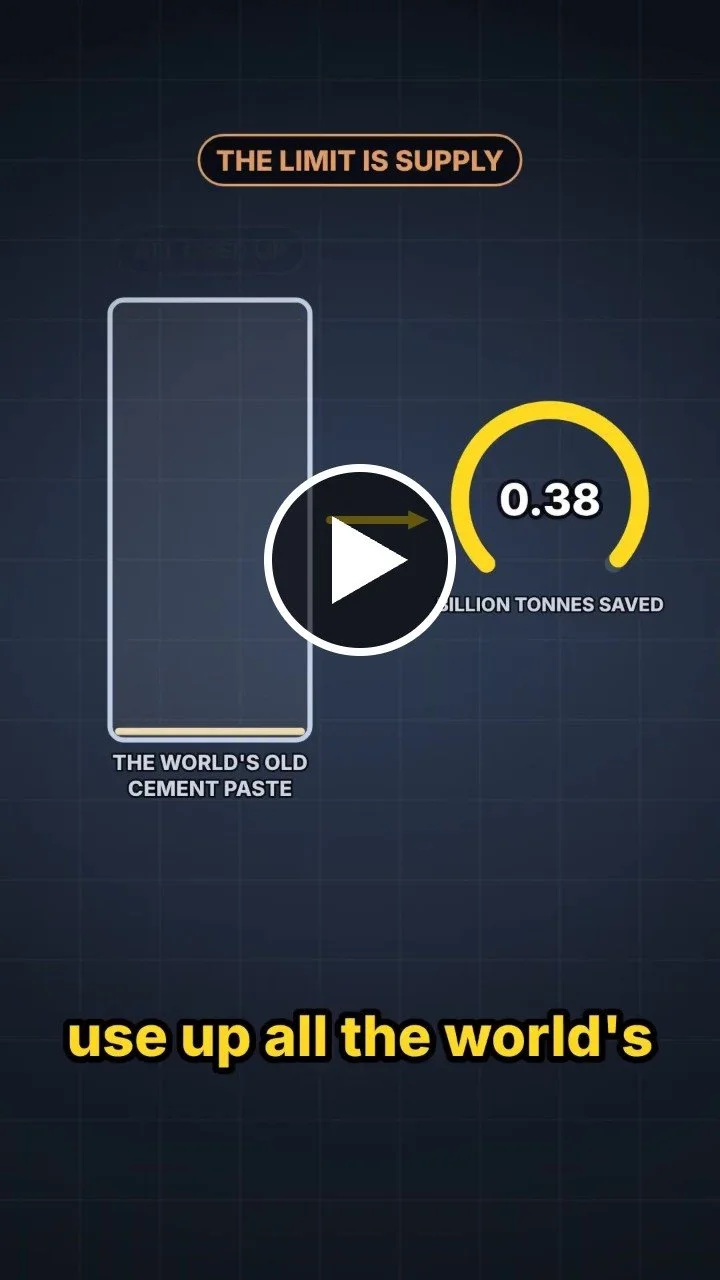
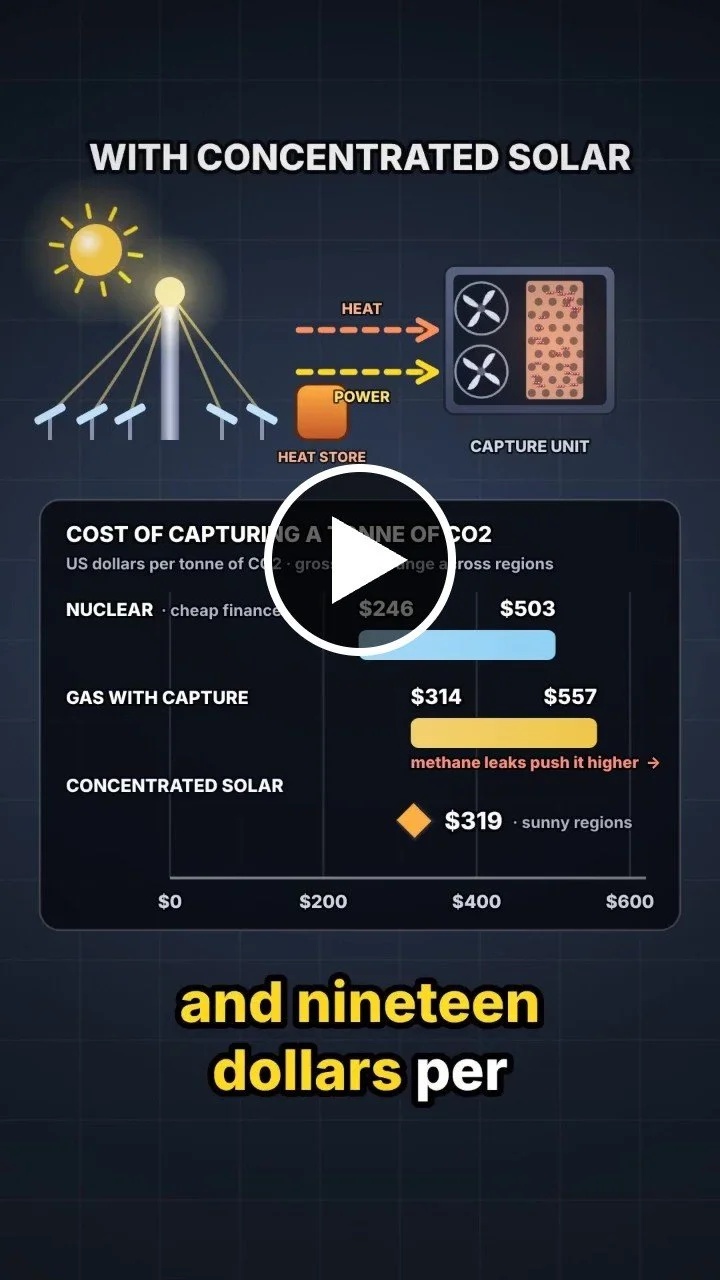
Still from the cement carbon capture video: one chance in 50 years Still from the concrete video: can concrete lock away carbon dioxide Still from the duckweed video: could pond weed become a raw material Still from the direct air capture video: what changes the cost

Cement and Carbon Capture: The Clock Is the Kiln. Watch on YouTube

Can Concrete Lock Away Carbon Dioxide? Watch on YouTube

Could Pond Weed Become a Raw Material? Watch on YouTube

Direct Air Capture: What Changes the Cost? Watch on YouTube

Visit the YouTube channel